
The cost of food
Its double meaning and the subsequent story of the multi-faceted relationship we have with it!
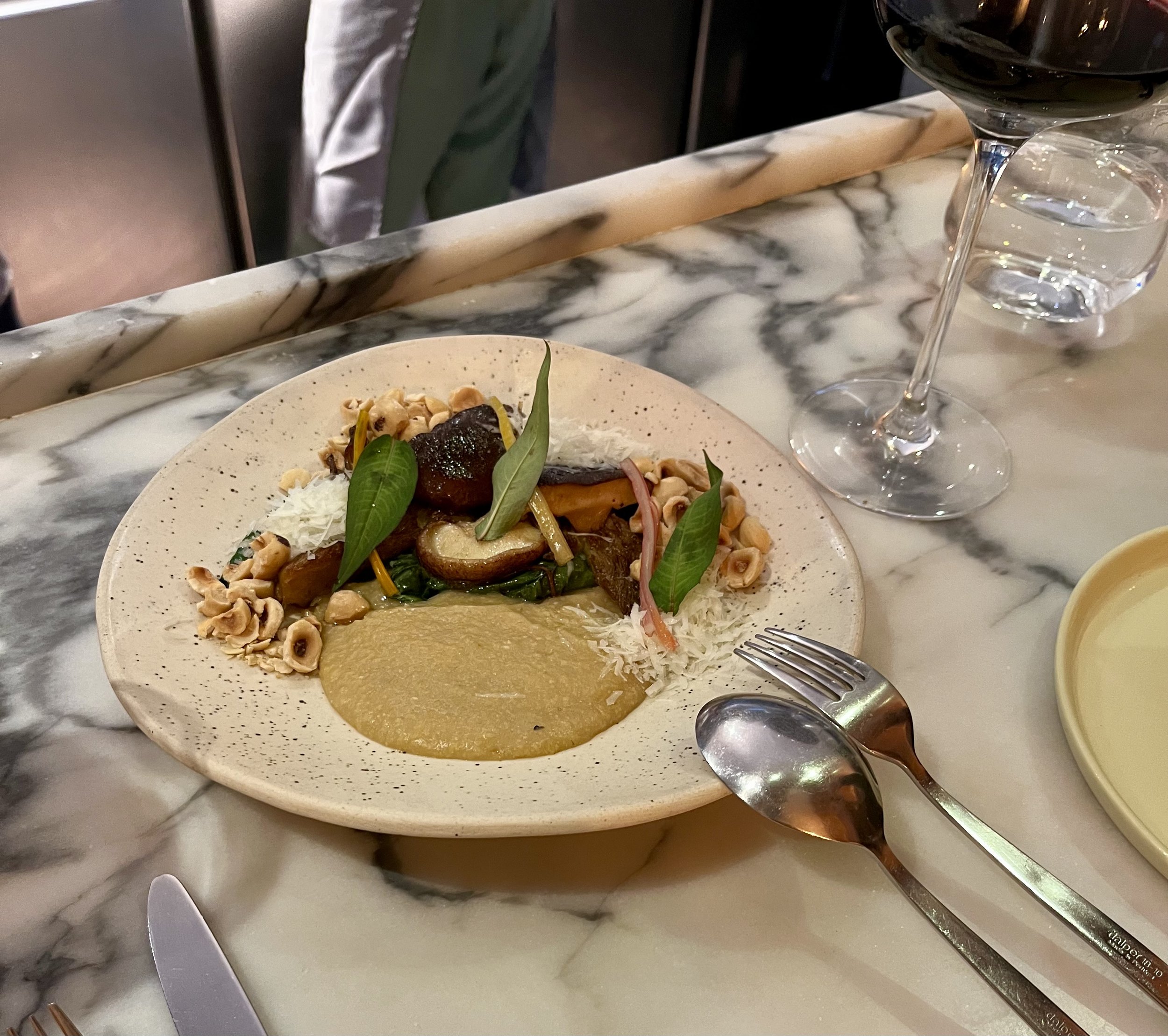
Food and cooking come at a cost
One thing is certain, there’s been a rise in food costs. The exact origin is tricky to pinpoint. All I know is that it’s been steadily increasing over the last half a century and spiked in the last few years. Or so it seems. The global pandemic and the seismic aftershock certainly had a profound effect. Even in the postmortem landscape it only continues to rise. Is it just inflation? Is it the ripple effect of production demands, manufacturing shortages, packaging constraints, and transport costs? Is it an attempt to make up for the years of stagnancy or blatant losses? I’m convinced it’s all of it and more. Much more.
But this is not about getting lost in the economic weeds of food costs, though it’s unavoidable to take into account. Rather it’s about how this impact has had a cost on the psyche and our relationship with food, cooking, and to the extent to which we prepare and share it.
I have a dear friend who’s studying the food budget of her international community. What she’s discovering is what we pay, at least in the United States, for being ingredient based households is downright ridiculous. But many who prioritize quality food and home cooking pay the price. I know I do. She does too.
However in my modest punk-like attempt to blaze my own trail I’ve made calculated choices to learn, understand, and apply more natural ways of living. Meaning slowing down, consuming less, growing a garden, making the lion's share of what I eat. In short, being hyper-vigilant in a buy-your-happiness culture.
I find this increasingly important because as writer, artist, and cook Letitia Clark said, “Food is never just food. It is a memory, a moment recaptured in a mouthful. It is friendship, love, celebration. Often today, it is easy to lose sight of this.”* Food isn’t just food. It’s a heartbeat. It’s the soul of life and yes, I’d go as far to say medicine. My husband calls me an epicurean and for good reason. Fresh, whole, homegrown and home cooked food and botanicals are something I cherish with an unwavering zeal.
The subsequent story we tell ourselves
I believe it’s directly related to how well we feel. Yet, what if we don’t have access to good quality food? Or the cost is just down right prohibitive. It may be harder and harder to budget for. Or perhaps convenience is more valuable in the day to day, so something quick and pre-made may be preferred. Maybe you're just not that into food and prioritize other things. Also totally fine.
Admittedly, I will be the first to acknowledge that I am deeply grateful for the choice and privilege I can exercise when buying or growing my food. But I often wonder what is the cost on our minds and hearts, in contrast to the wallets. Like Letitia said above, will our notion of memory, celebration, and love slowly erode? What will the effects be on our quality of life?
—
It’s questions like this which fuel my fever to cultivate a garden; the very container for celebration and memory to unfold. This desire to have flowers to design with and fresh vegetables to cook with is actualizing how I want to live. Grit plus resilience plus patience. It also reminds me of this post I wrote a few months back.
I’d go as far to say that the biggest cost is not a monetary one but the slow disassociation from the natural world. One which preys on this concept that there’s no time and we’re perpetually without it. The irony being that when we participate in the creation of food and the culture that surrounds it, we may experience a little tinge of pleasure.
Nigella Lawson said something in an interview, cooking is not difficult, it just takes time. And I’d go one step further in that it could likely be, time well spent. Our assumptions become the obstacle.
In my days as an Ayurvedic Practitioner I felt like I was constantly battling peoples notion of these things: I have no time or it’s too difficult. Cooking will, without a doubt, be all of the above: futile, festive, or functional. Yet I encourage curiosity and gratitude with each mouthful. The true cost is choosing not to celebrate.
*https://www.cntraveller.com/gallery/best-restaurants-sardinia (Shared with permission from Letitia Clark)