
A Steady Flow – notes on movement and stillness
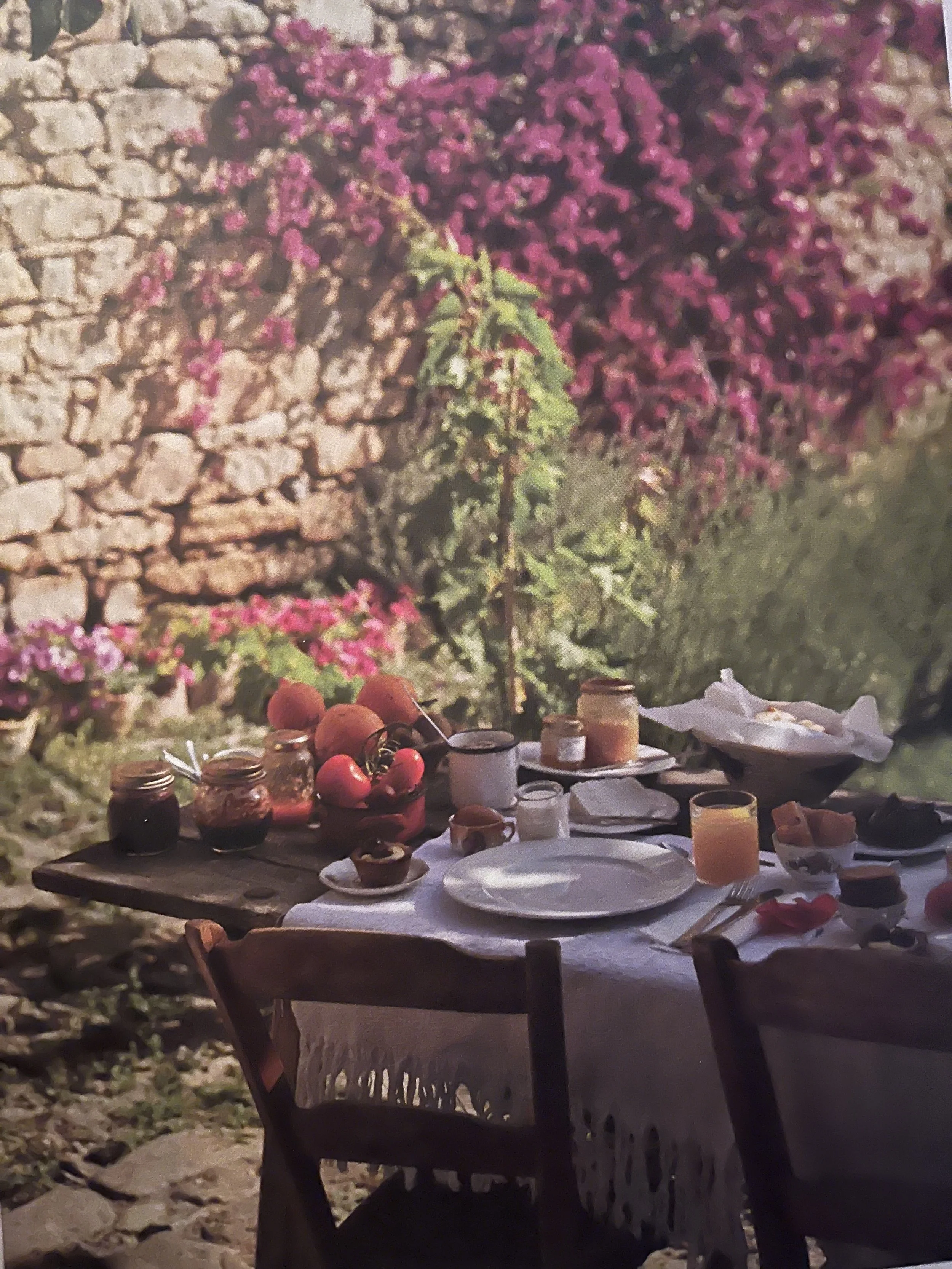
photo © Matt Russell from Bitter Honey by Letitia Clark
[Series] On Slow Living #2
November 10, 2024
In the process of asking others, I also asked myself. This exploration of slow living is a snapshot of right here, right now. It will likely evolve or transform with time. As I can honestly say that the more I’ve aged the more I enjoy silence, solitude, and traveling to places and spaces that are remote – for though I love people, I’m very interested in the spirit of the land.
What does slow living mean to you?
I’m all about slowing down. And as I said previously, the more I slow down and simplify, the more I seek it out. I find that in doing so I’m able to reclaim my attention. Regardless of how I adjust the lens, I am able to thoughtfully tap in and focus clearly. It’s an approach or a mindset which I can employ – one that takes shape in the daily ritual of cooking food for myself and my household and being in my garden.
What's one thing (action, mindset, ritual, habit, etc.) that's essential to maintaining it in your day to day life?
Home cooking and being close to my food source has been a relationship I’ve held dear for as long as I can remember. There is something in the process that reminds me how important consistency, attentiveness, and kindness are. Let alone the magic of alchemy and the healing power of plants and animals.
When it comes to food, I delight in the uniqueness of each ingredient and how best they are used in concert with other things. Cooking makes me feel good. And after decades of doing it, my skill, comfort, and ease surrounding it has improved. It’s an area where I feel highly creative, playful, instinctual, and experimental. And when in this zone, even though there may be a lot going on—time seems to stand still.
For me, it’s the day to day approach I’ve come to embrace with food and cooking that support a slow kind of way. It also extends further with having time to be. I think slow living matriculates down to mindfulness and deliberateness. Because I can be very efficient and move quickly without being reactive and frenetic. Even with the guaranteed ups and downs, I gladly tend a home garden which keeps a pace all its own. I simply follow its lead. I often let my mind rest and wander, for I believe it encourages spaciousness. It’s like I’m being gently rocked and the strain of pushing, the velocity of doing, and the rising anxiety fall away. What I’m left with is a sense of peace. I find my rhythm. And it’s not fast. One may call this hand to god. The practice itself, what is set in motion, what becomes clear. It’s not the end goal but what’s set in motion.
The body benefits from movement, and the mind benefits from stillness. – Sakyong Mipham
At one time I was a massage therapist and practiced for many years. It was during this chapter that I deepened my ability to sense the subtle workings of the body through my sense of touch. There are many methods and modalities that support the nervous system, but there was this one in particular that I found fascinating. It was applying a gentle rocking and rolling motion. I don’t remember the name of it. But the name doesn’t matter. What does was how profound and effective it was to induce a sense of peace.
The client could lie either on their belly or back. My hands wouldn’t leave the body. I’d push, almost roll the limb away from me. Release. Barely moving my hands away in order to receive the weight as it rolled back. I would gently move up and down the back or leg, pushing, back and forth. Up and down. You had to be alert, ready to receive the weight as it naturally fell back into your palms.
Everyone would rock a little differently. Because everyone had a different kind of wave or flow at which they hummed. The quality of the muscle or the weight of bone told a story of the memories they held. As an experienced body worker it was super cool to feel these sensations and how they’d literally move. The practice was not to change the movement, but notice and tune into the rhythm. Was there something flat or sharp? Was there a hiccup or pause? Was the wave long or short? Was there any softness and at what depth? In remaining steady and rocking it out, the wave would almost settle in. The nerves began to relax. The body would soften and ever so slowly recalibrate.
This state of being is what comes to mind as I explore slow living. An ease or calm where once you drop into it you want to remain there. It feels really good. It feels like home.
How do you ensure that a little bit of wildness and or nature remains close?
Instead I find myself asking how joy and beauty are already in my surroundings and how I can amplify them. And in doing so ensure that the tap to joy’s source remains open and flowing.
I commune with nature everyday in all sorts of ways – through gardening, by taking walks in the mountains or by the river, by preparing home cooked meals from vegetables that I’ve grown, arranging flowers, and spending time with dear friends.
I think wildness can be a state of mind. Not so much a going rogue but that primal urge to remain sensuous: alert, present, fit, and capable.
Today’s acts of slow living: a long walk, a pot of soup.
Stay tuned for next week’s guest.
Yours, Erin