
In a slow way
January 4, 2026
Last month I took a class, facilitated by Cody Cook-Parrot, called OFFLINE PRACTICE. It was a three-week workshop on attention, community, and anti-algorithmic business for artists, writers, and creative business owners committed to a slower, more human internet
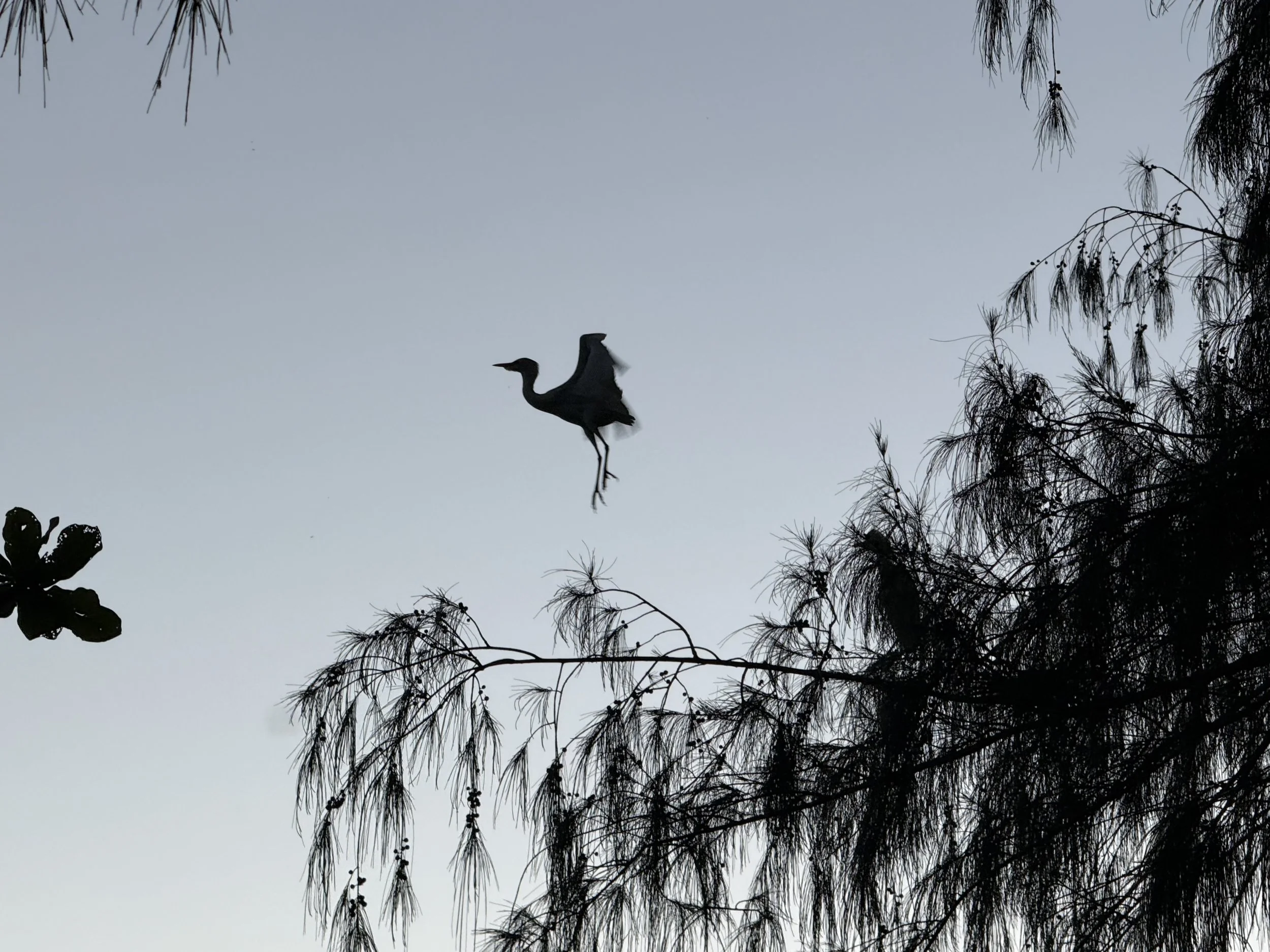
photo© my dear friend Melissa Rigoli
It was a soothing, easeful reminder that there are many artful, kooky folks out there desperately and actively reclaiming what it means to participate in an online, digital landscape while not sacrificing time, integrity, or mental wellness. It’s also relevant to mention that the ‘offline’ of OFFLINE PRACTICE referred to the behemoth of social media. An important distinction to make as I’m clearly writing this while online. And the same goes for you reading this.
We live in a hybrid of analogue and digital. And though visibility and viability are still quite possible without being ‘online’, there’s a sweet spot I’m constantly calibrating. I rely on my tools to zoom in and zoom out, knowing where to plug in or, in contrast, when to pull it. For some of you this is obvious. However my relationship with social media, Instagram to be exact, has been something I’ve struggled with. Leaving that platform last April was one of the best decisions I made in 2025. It aligned with a larger narrative of spending more time, real face-to-face time, with people and experiences and saying no to everything else. I’ve reclaimed the spaciousness with more walks, an online women’s circle, classes like Cody’s, and the ability to pursue, at length, particular topics or ideas with reading and research. I’ve not deleted my account altogether, but I see it on the horizon.
One of the interesting things that came up in OFFLINE PRACTICE was the question, if the final resting place is being at peace in my body (and by that I mean the whole bio-psychic-spiritual body), where or how can I immerse myself in those practices?
This was my list:
Swimming (being in the water!)
Contemplative practices (nadi shodana breathing, heart soul meditation, walking)
Tending to my garden with practices like seeding, plating, watering, weeding
Cooking
Deep restorative rest
Woolgathering aka day-dreaming
Friendship
Unabashed laughter with aforementioned friends
At the end of the class I looked over my notes. This list, these practices, how glorious and attainable! When in the ocean or in the garden, my phone is elsewhere. And as a result, a slow, spreading sense of ease starts to change my interior.
The past year was all about adjustment. Specifically how to comfortably down shift and still groove. It amounted to a different kind of being—slow down my reactivity time, slow down the obsession and pace I diverted to work, slow down how fast my mind created situations to worry about, slow down the volume at which I’m pressed to consume.
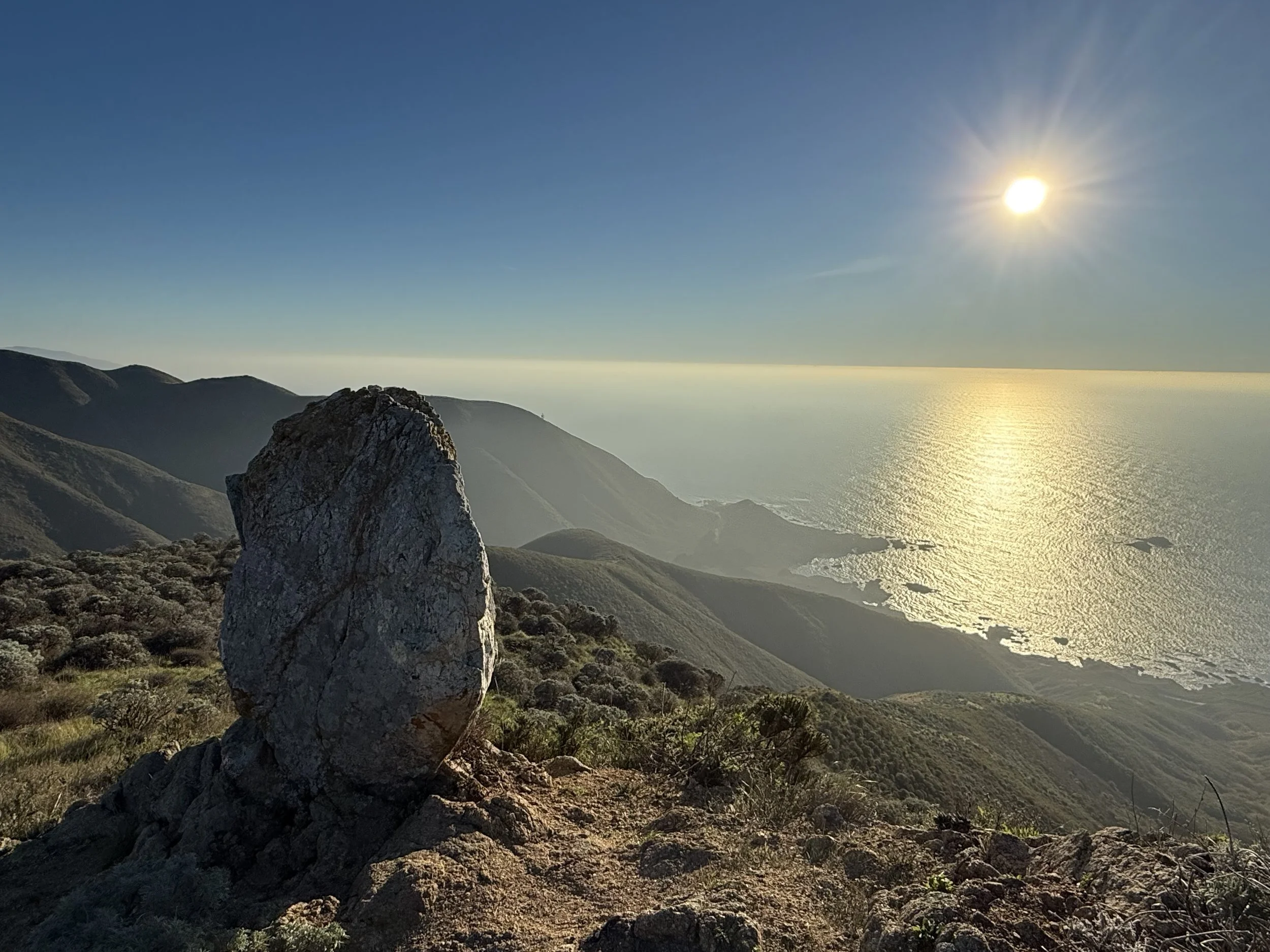
photo© my dear friend Melissa Rigoli
In a slow way was the phrase that kept surfacing. Looping ever so gently in the background upon approach, accent, and descent. Eventually it expanded to take up more and more parts of my life’s landscape. I wrote a little about it in the last newsletter. In these moments, that are often part reflection, part prayer, part manifesto I question:
What arises when I simply stop pushing?
Is there enough?
Does slow and steady surface naturally when the force of urgency collapses?
I’m drawn to create something by the same name as a means to answer these questions in community. Because I don’t have all the slow answers. In A Slow Way is contextual. The answers come from how we choose to live, share, and move on. Yes, part of the process of slowing down comes from the practice of being grounded and rooted. This is when I’m able to remember who I am, what interests me, how I want to move, or where I want to go. But again, this is not taking place within a vacuum. It’s all textured by context.
Inspired by Cody’s class, I’d love to offer something in a similar format in order to share stories of curiosity and transition.
Tell me, if slowness was at your door, would you invite her in?
What’s your antidote for urgency?
Is it in the form of a short contemplative book that offers prompts and processes to digest in your own time and place?
Or in community with a class-like container?
I already know what I would call it.
Yours, Erin
p.s. You may have noticed that I've linked In A Slow Way above. For now I made it into a template to move through at your own pace.
What I’m Reading
The Gentrification of the Mind - Witness to a Lost Imagination* by Sarah Schulman
A memoir and cultural critique linking the AIDS epidemic and physical gentrification in NYC to a loss of radical queer culture, imagination, and political consciousness, arguing that rising rents and mass death replaced a vibrant, avant-garde community with mainstream consumerism and homogenized, “suburban” values, diminishing the art and activism needed for true social change.
Wise Power - Discovering the Liberating Power of Menopause* by Alexandre Pope and Sjanie Huho Wurlitzer
Tells a radical, new story of menopause. It’s a story of initiation: through trials, tribulations and tears into freedom, love and inner authority. And importantly, it’s a story about how your conscious menopause is a gift to the future. It all begins with the simple act of consecrating your menopause as a holy event. This shift in your perspective of yourself in menopause is igniting a global shift in consciousness that our world is desperately longing for.
*affiliate links