If I want to rise, I have to sink first
July 19, 2026
Contemplating my sprung-from-the-landness
When it comes to sleep, hunger, thirst, or giving birth the body knows what to do. It’s hard-wired into our very being. As children we learn routines or habits around these needs, but this is very different from being taught how to be hungry. The call to sleep, for instance, is the result of millions of years of evolution having lived in direct relationship to the Sun. The same is true for the Moon and Earth. Their rhythms of influence go largely undetected, hovering just beyond awareness, even though they’re some of the most powerful harbingers in time. Can I even imagine a day without the rising sun? No, it’s unfathomable!
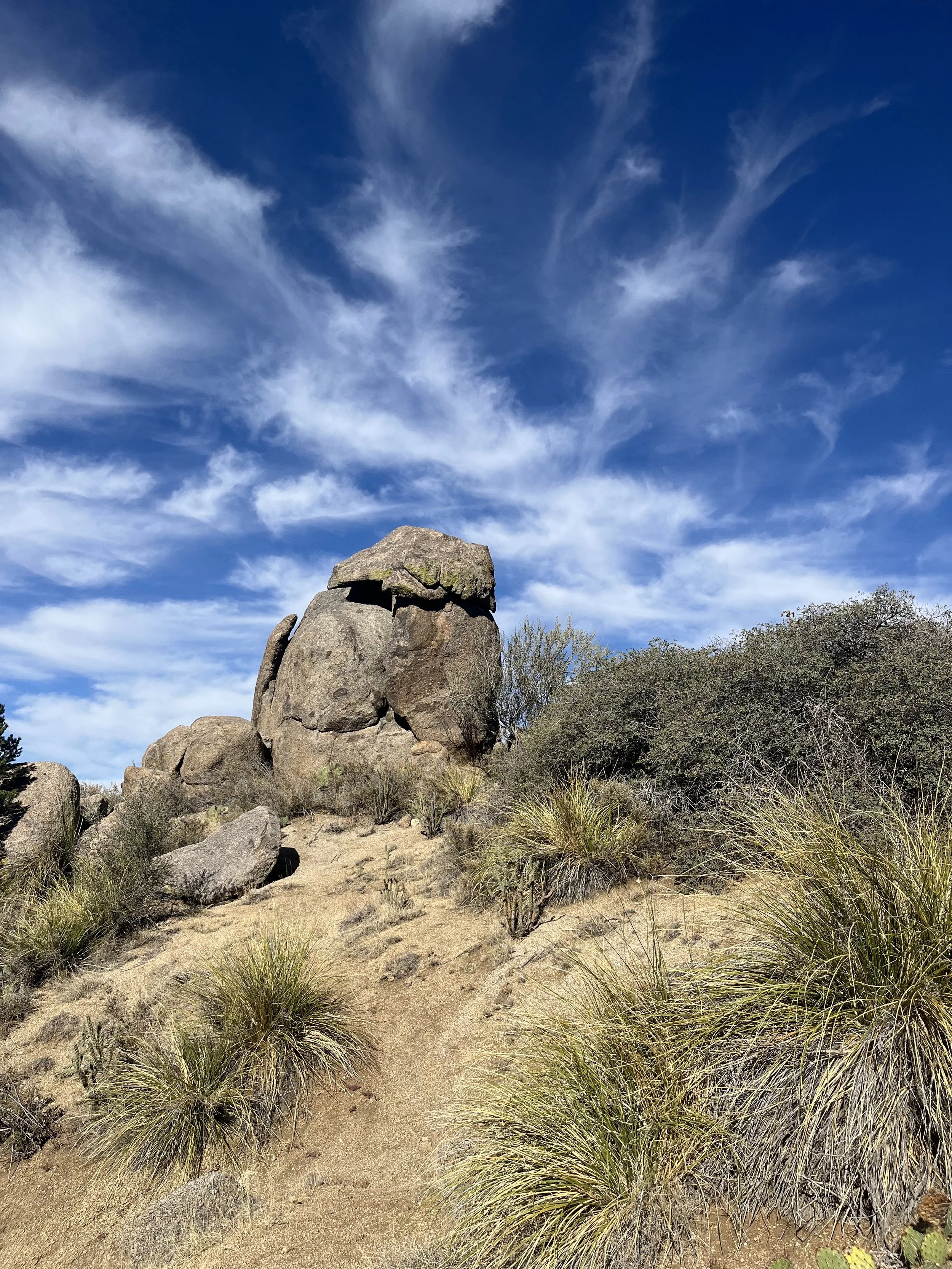
We are sprung from the land, you and I, indigenous, inseparable, gripped by invisible forces, and connected by a common thread. Which is why I find the notion of balance so interesting. Balance, by definition, is relative to some sort of fixity, a fulcrum, and implies a leveling off. Yet balance is not a hard and fast, fixed state of being. Contrary to how it’s defined, I think it’s far more ambiguous. Balance is both stasis and movement. It can be both fastidious and chill.
Picture a seesaw. The whole point of seesaw play is to go up and down. It’s dependent upon two opposing forces in relationship. And most often those two opposing forces are not entirely even. In fact it’s more fun when they’re not. This I find more analogous to being ‘in balance’. Balance is fickle, temporary, and highly susceptible to change. And as far as play goes, it’s far more exciting than actual stasis. Play is an imaginative and emergent expression of being human. It’s the nature of coming upon a wave and riding it until it’s done. And, energy willing, swimming back out to catch another.
Is constantly pushing for balance vain? Not necessarily. Maybe it’s changing the narrative on what the pursuit is for. If our sleep is disturbed how often do we ask, how is my current relationship to the sun? The desire to reclaim balance implies a separation has occurred. Somewhere along the line, either consciously or unconsciously, the internal and external relationship with Self/Nature/Universe was severed. And we seek repair. Again it all boils down to relationships. Who or what is on the seesaw with us.
The teachings of Ayurveda consider health to be when all systems, physical, psychic, and spiritual are in balance. Yet I often wonder how we know we’ve arrived? It’s a different journey and a different experience for every body. The seesaw analogy helps me visualize it and see balance for what it is; a game of up and down. A game with occasional moments of stillness as one hovers parallel to the ground. A game dependent upon my relationship with other people, things, myself…
“We are a messy ego, with all the passion and desire it commands, often wreaking havoc on our lives. And also, we are a soul of love, that’s immortal, and otherworldly, and that constantly tries to whisper from within us how to align with a force, a power that’s beyond comprehension” said Meggan Watterson.
“I have learned if I want to rise, I have to sink first,” said Glennon Doyle.
Lateral Lines and Filoplumes
The latest definition I’ve come up with for balance is: akin to any sustained practice of deep attention and movement guided by breath. (Which can be a lot). It’s a practice of leaning in, trust, and relationship. I often start by listening, not with my ears, but with my insides. I greet the sun as it rises, revisit it frequently throughout the day, and circle back at dusk. The light within communes with the sun’s light outside. Elif Shafak, author of There are Rivers in the Sky, writes “It is the human body that responds to sources in nature; the water inside us communes with the water outside of us.”
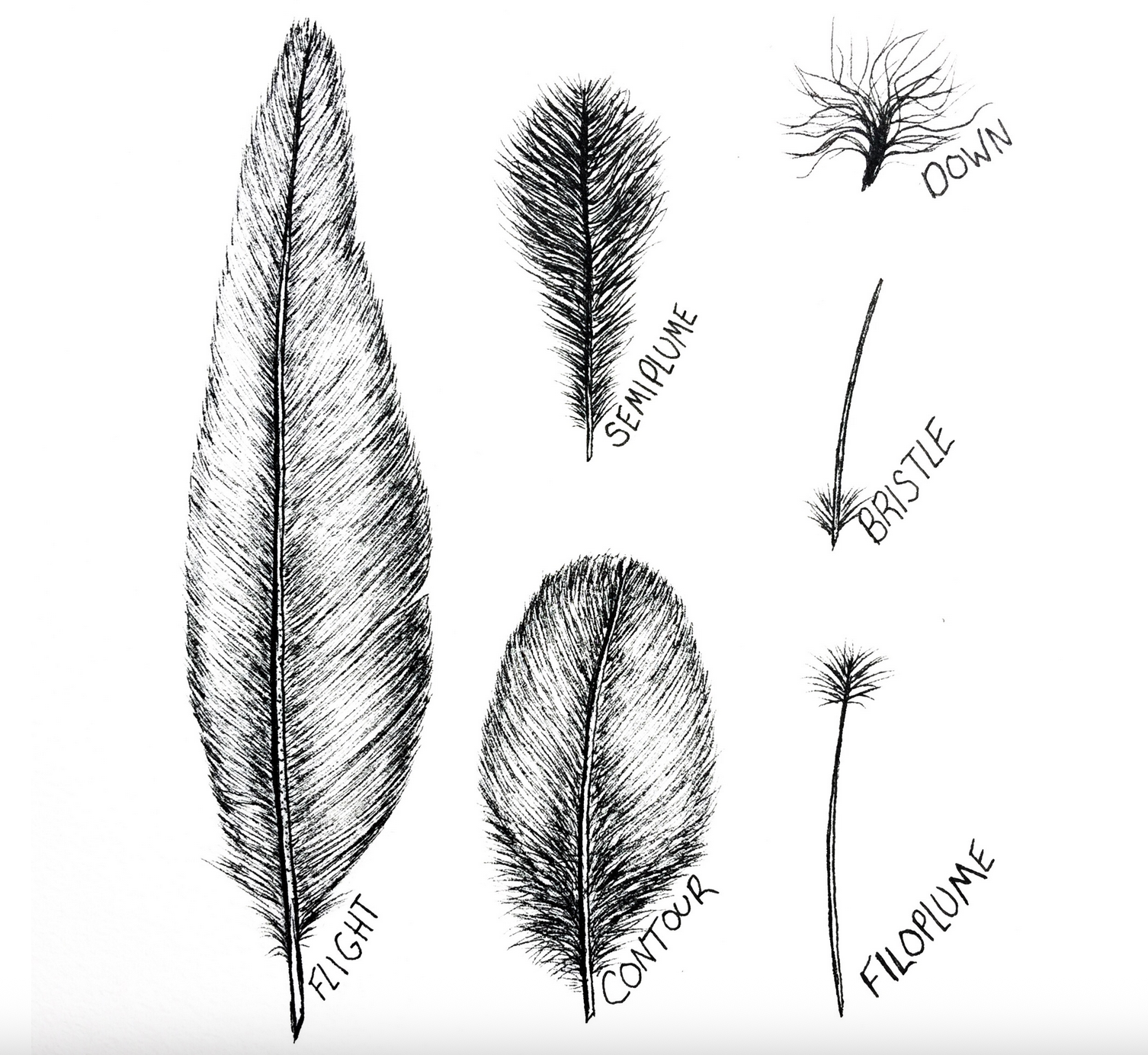
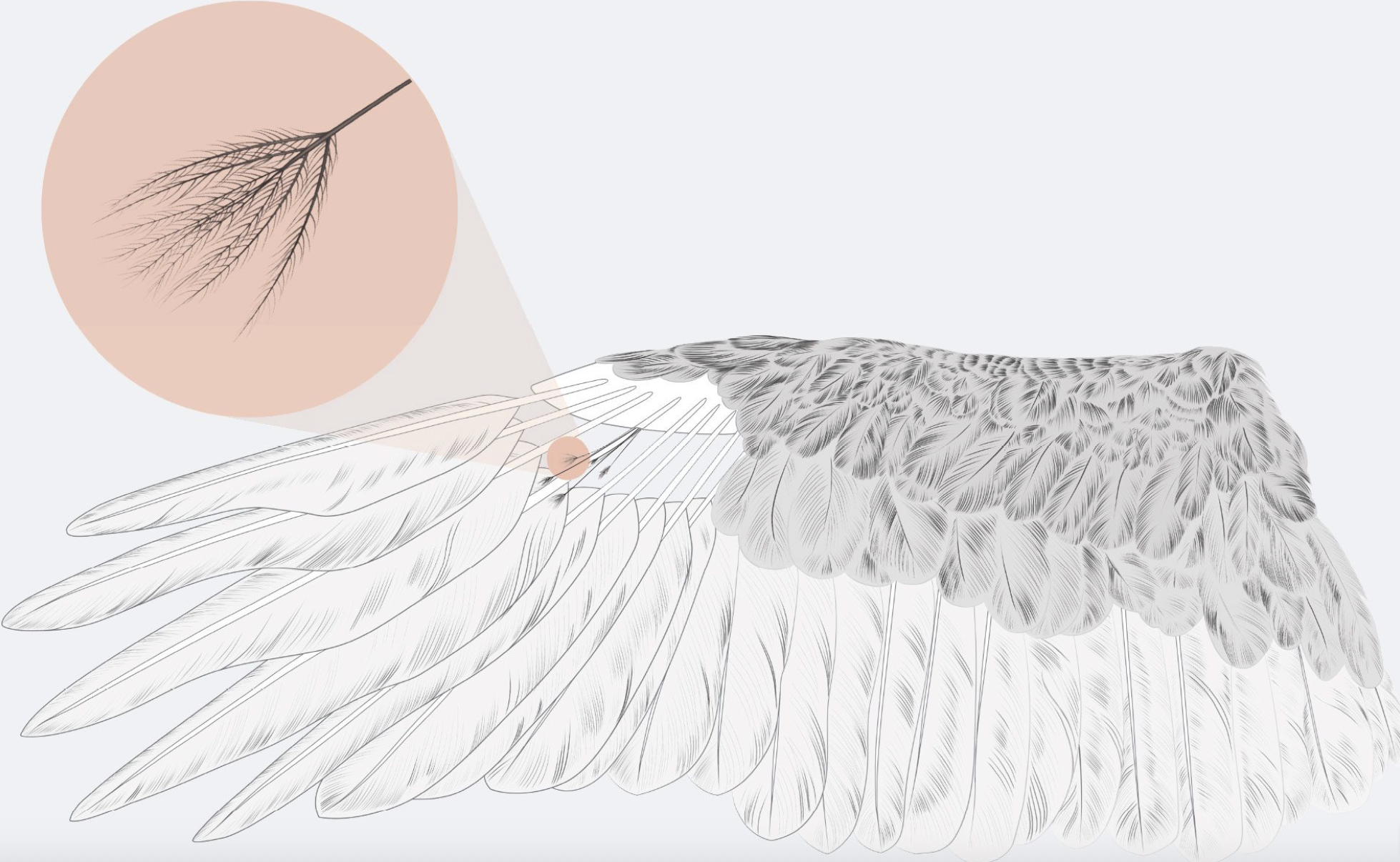
Fish have what are called lateral lines, a literal strip running the length of their physical anatomy serving as a receptor which allows them to sense vibrations in the water. Birds have highly specialized feathers called filoplumes. Similar to cat whiskers they’re designed to sense the vibrations in their surroundings. Embedded into the architecture of their being these feathers can pinpoint air currents and temperature fluctuations informing the bird, in flight, where to go. In the spring the western red bud follows a particular sequence etched in its DNA. First it will explode into an array of magenta blossoms, attract thousands of bees, and then slowly unfurl its leaves.
We may not have lateral lines or filoplumes but we have the tools to cultivate certain practices which can hone our senses and expand our awareness. Tapping into seasonal rhythmic practices, ritual sequencing, even the ability to hold tension while deeply breathing are all kind of like riding a seesaw. In short, there are thousands of ways to strengthen our relationship with balance through life and play.
After months of dry skies it rained on and off for two days. Like having a dear friend pay a visit, I sat on the front porch. I wanted nothing else than to be with her (the rain), talk with her, and experience how the neighborhood and my being changed from her presence. In these intimate moments may you be pointed back to your deep knowing that balance is just as much a moving toward as it is a moving away.
This evening may you open the windows and invite the winds to come inside. May you turn off the lights long before you walk into dream-time. Where does the needle want to rest on your internal compass? How will you follow?
Yours, Erin
References:
Glennon Doyle quote from her book Untamed* affiliate link
Megan Watterson quote from essay WHEN MARY RISES
Lateral line system | Fish Sensory, Acoustic Detection & Communication | Britannica